Friday, June 29, 2007

Blueberry Lemon Verbena Muffins


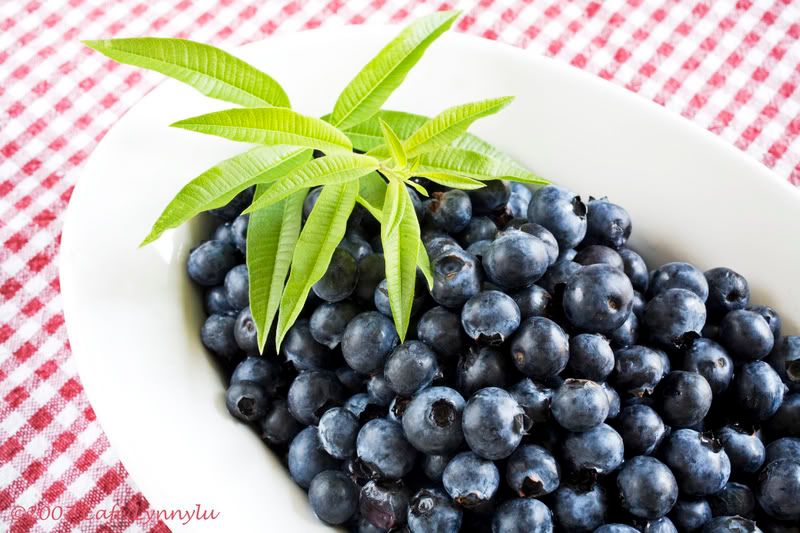
If you think blueberry muffins are great, then try these made with lemon verbena, a perennial herb with a captivating lemon scent. The addition of lemon verbena takes them from ordinary to sublime. For those of you who haven't used lemon verbena before, here are a few things to know about this aromatic herb.

Lemon verbena is usually grown as an annual in all but the warmest climates where it can reach a height of 8-10 feet. Legend has it that the Spanish explorers carried lemon verbena in ships to Europe from its native habitat in Chile and Argentina, but surely, it was in the summer months these voyages took place as the herb drops its leaves in the early winter months and would have appeared dead to the explorers.

Plant lemon verbena in your garden after all danger of frost has past and begin harvesting the leaves once a week by midsummer. Rapid growths occurs during the hottest weather, so you may want to dry some lemon verbena for use during winter. Cut 8-10 inch stems and hang upside down in a dark, dry, well-ventilated area for about a week, then strip the leaves and store in tightly covered containers. Dried lemon verbena is a popular ingredient in potpourris and keeps its taste and scent for years if properly stored.

Lemon verbena has endless uses in the kitchen where its fragrant leaves are a delicious addition to desserts, beverages and gelatins. Fruit salads come to life with a little chopped lemon verbena sprinkled over or included in a dressing.

Blueberries and lemon verbena have a special affinity and it is in these muffins that their flavors go together so well. A lemon verbena scented sugar sprinkled over each muffin before baking further deepens the lemon flavor. Any leftover sugar can be used for sweetening tea.
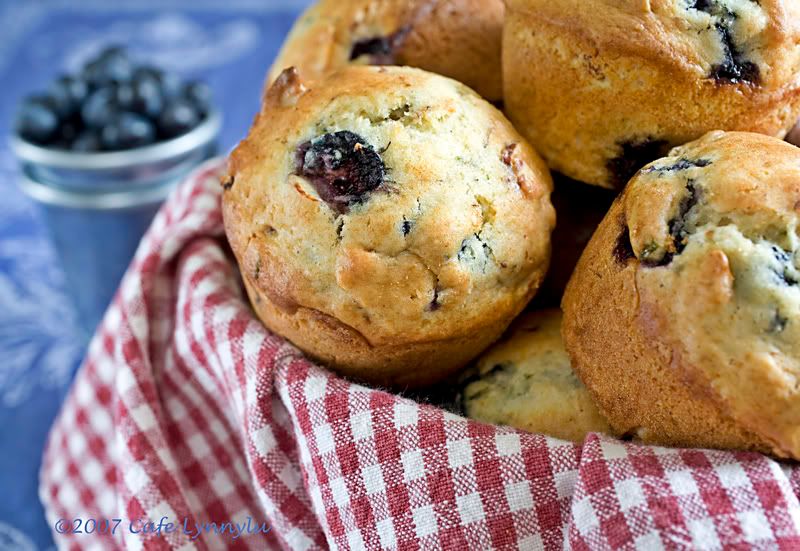


Blueberry Lemon Verbena Muffins


Ingredients

6 lemon verbena leaves
1 cup superfine sugar (caster sugar)
3 tablespoons minced fresh lemon verbena leaves
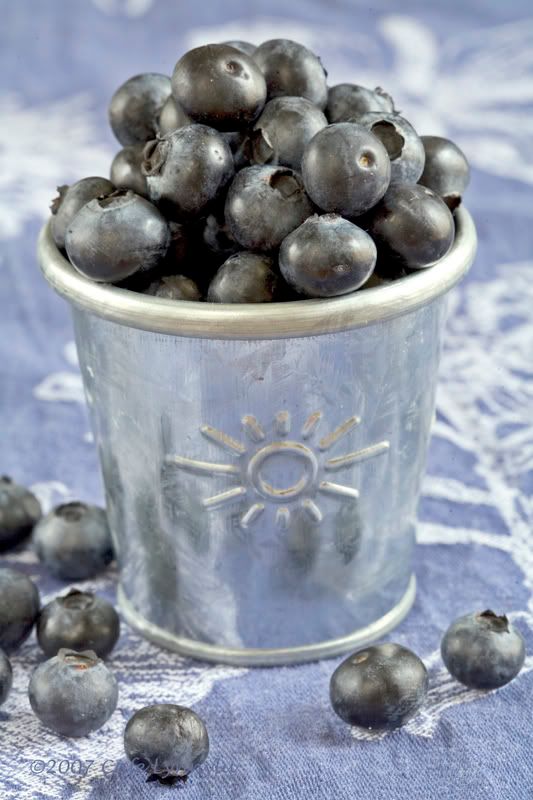
1 1/2 cups fresh blueberries, washed and drained
1 cup sliced almonds
2 cups all-purpose flour
1 tablespoon baking powder
3/4 cup granulated sugar
1/2 cup milk
1/3 cup vegetable oil
1 egg

Bury lemon verbena leaves in the superfine sugar in a tightly closed container. Let stand overnight before using.

Preheat oven to 400 degrees F. Generously grease a 12 cup muffin tin.

In a medium bowl, combine lemon verbena, blueberries and almonds. In a large bowl, mix together flour,baking powder and sugar. In a second medium bowl, whisk together milk, oil and egg. Pour into flour mixture and stir until just blended.

Add the lemon verbena mixture and gently fold together. Batter should not be smooth. Divide the batter into the cups of the muffin tin. Sprinkle each muffin with a little of the lemon-scented sugar.

Bake for 25 minutes, or until golden. Remove from oven and let cool for 2-3 minutes before removing from tin. Serve warm. Makes 12.


This is my entry into Weekend Food Blogging event hosted by Kalyn whose blog which has some really great healthy recipes well worth checking out. Thanks for designing and hosting this event, Kalyn.

Tuesday, June 19, 2007

Hedgerow and Orchard Crumble From a Dear Friend


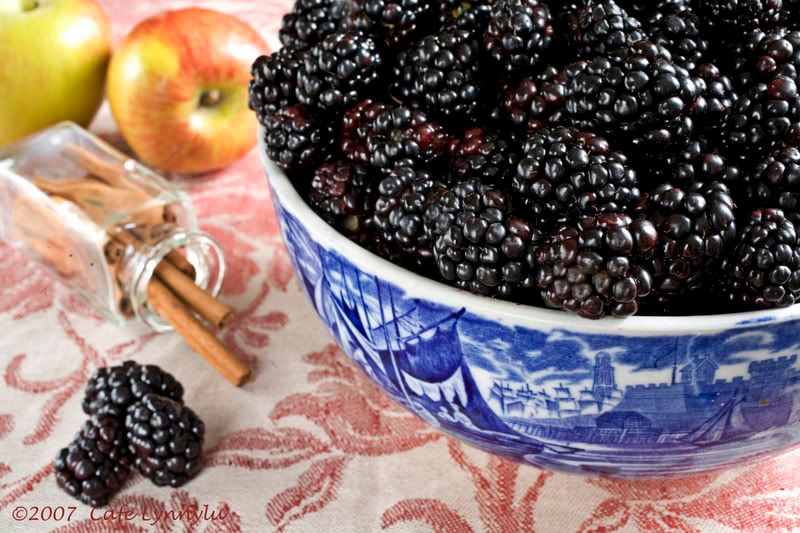
My dear friend of three decades, Jacqui, has the quintessential English garden replete with apple trees, damson plums and cascading over her fence in the summer time; plump, juicy blackberries waiting to be plucked from the vine where they will be transformed into crumbles, jams, pies and other luscious desserts that she does so well and with minimal effort, it seems. Jacqui and John live in a beautiful area of Dorset near Poole with it's beautiful harbor and colorful history of smugglers and ghosts.


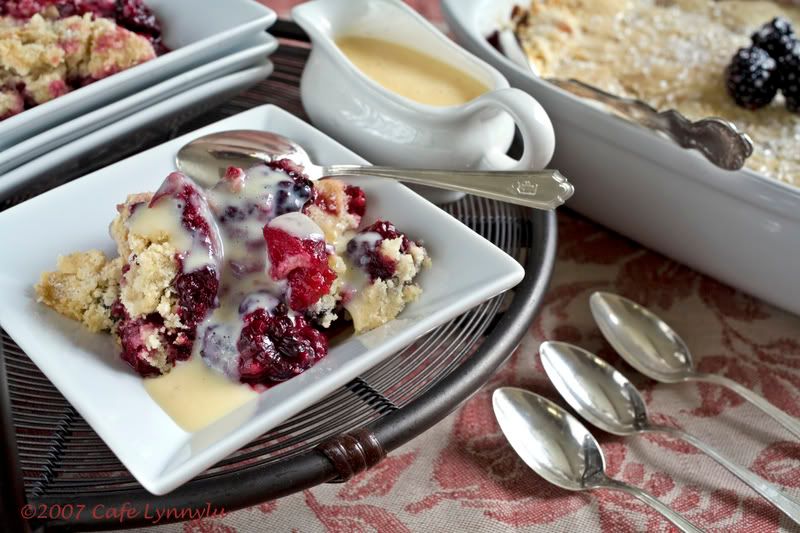
My absolute favorite, when we visit is the Blackberry Apple Crumble covered with the ubiquitous Bird's_Custard which gives a smooth finish to this lovely, crumbly, sweet but tart dessert.


Jacqui's daughter, Hayley, a fine cook, whose food is always delicious and presented beautifully came up the very well-suited name, Hedgerow and Orchard Crumble. The hedgerows in England not only have an abundance of blackberries, but also black currants, sloes, and wild plums.The Bramley is the apple of choice when using cooking apples, but unfortunately, is unavailable here, so I used Braeburn apples for the crumble. I buy my blackberries from a local berry farm whose entire business is blackberries, strawberries and beautiful flower fields where you can cut your own flowers.


Ingredients for Hedgerow and Orchard Crumble

Blackberry Apple Mixture

2 lbs (4-5) Braeburn or Bramley apples, peeled, cored and quartered, then cut into large chunks
4 cups blackberries, washed and drained
1/3 cup sugar

Crumble Ingredients

2 cups all-purpose flour
3/4 cup (6 oz) unsalted butter
1/2 tsp cinnamon
1/3 cup sugar

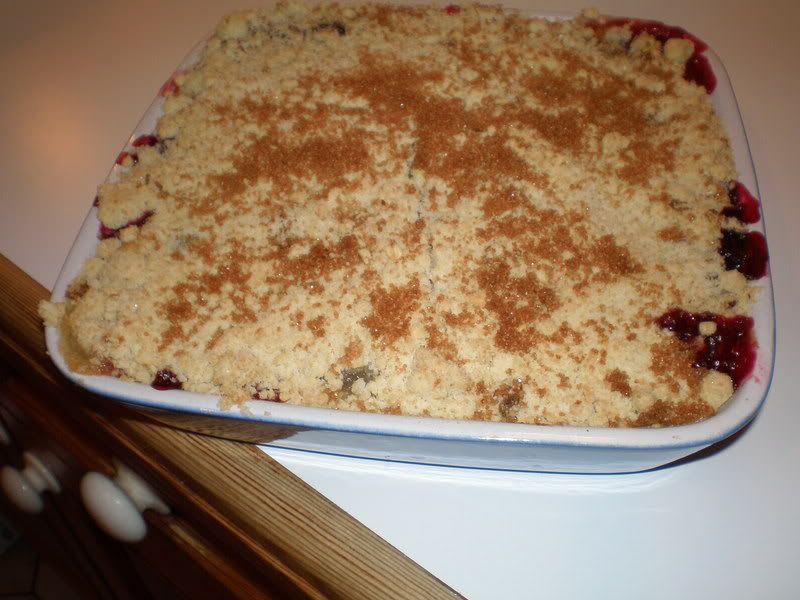
Preheat oven to 400 degrees F. Rub the butter into the flour with your fingertips or use a pastry blender. When mixture is the texture of coarse breadcrumbs, add the sugar and the cinnamon.

Place blackberries, apples and sugar in a large baking dish. Toss gently. Cover the fruit with the crumble mixture. Bake for 20 minutes, reduce heat to 375 degrees F and bake for 30 minutes longer or until crust is brown and crumble is bubbly.

Serve warm with Birds custard. Follow directions on tin for the custard.


Serves 6-8 generously.


Saturday, June 16, 2007

Strawberry Lemon Balm Syrup


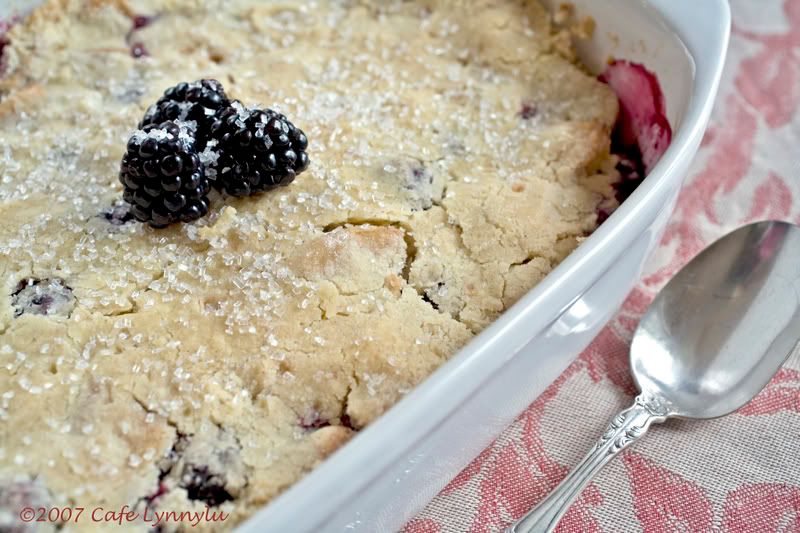
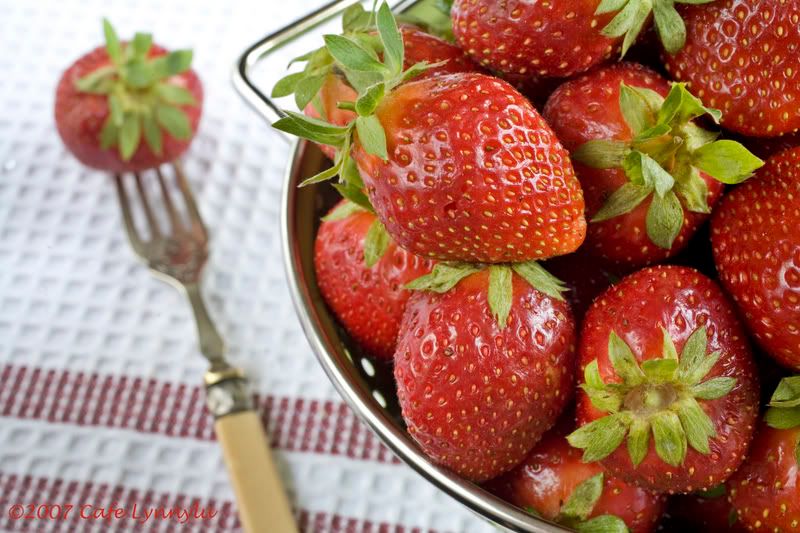
The strawberries and blackberries are plentiful this season despite the tropical storm which came through a few weeks ago so I am jumping ahead of my promised posting of Herbal Flavors Part Three to feature these berries. Blackberry Apple Crumble will come soon.


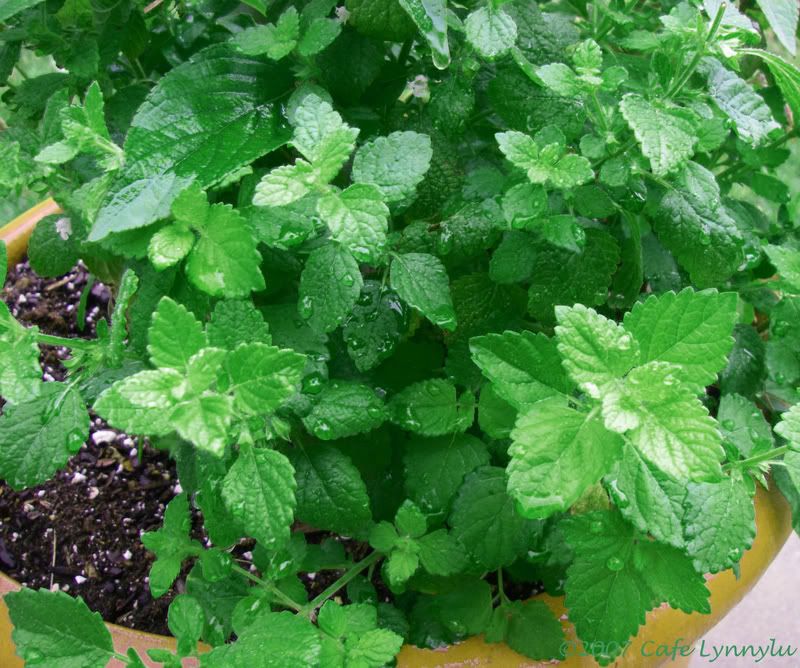
In keeping with writing about herbs, this recipe features lemon balm, a perennial of the mint family and a vigorous plant which will produce an ample amount for all your culinary needs. Its tiny white blossoms attract bees and has a subtle lemon scent, so when using lemon balm in your desserts, syrups or honeys, be sure to use a generous amount. I wrote about lemon balm recently here where you can read more about lemon balm, its growing habits and uses.

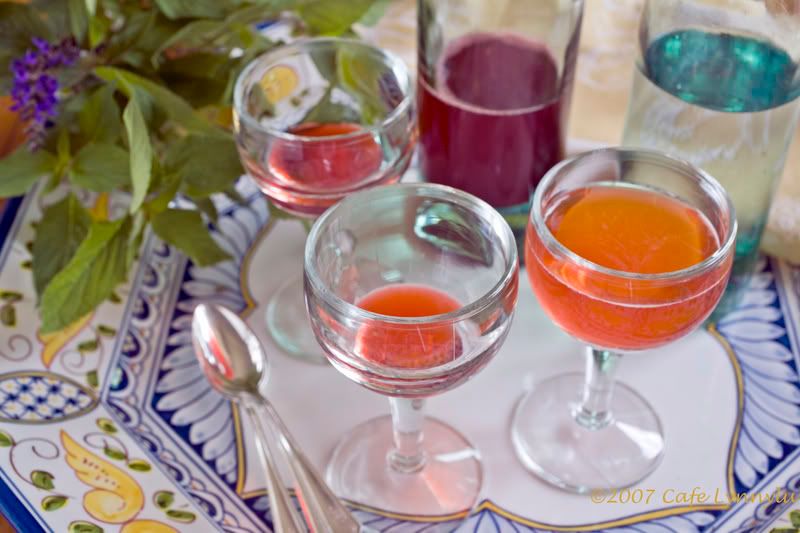
Herb and fruit flavored syrups make a delicious alternative to other syrups such as maple, for example, and are used more in countries in Europe than the United States as a base for fresh,invigorating coolers. In England, Ribena, in production for 70 years, is the most popular fruit syrup, originally made with blackcurrants, but other berries are now used-raspberries, blueberries,and pomegranates.

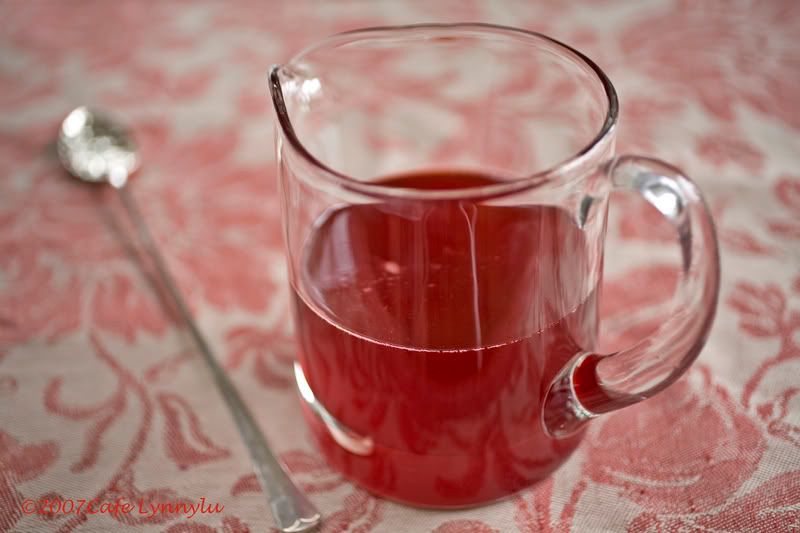
Strawberry Lemon Balm Syrup is so easy to make and will keep well in the refrigerator for about three months which will give you all the time you need to fashion your refreshing summer coolers and create new desserts incorporating this wonderful syrup.


Strawberry Lemon Balm Syrup

2 pints strawberries
12 ounces sugar, approximately
10 sprigs fresh lemon balm, washed and dried in a lettuce spinner

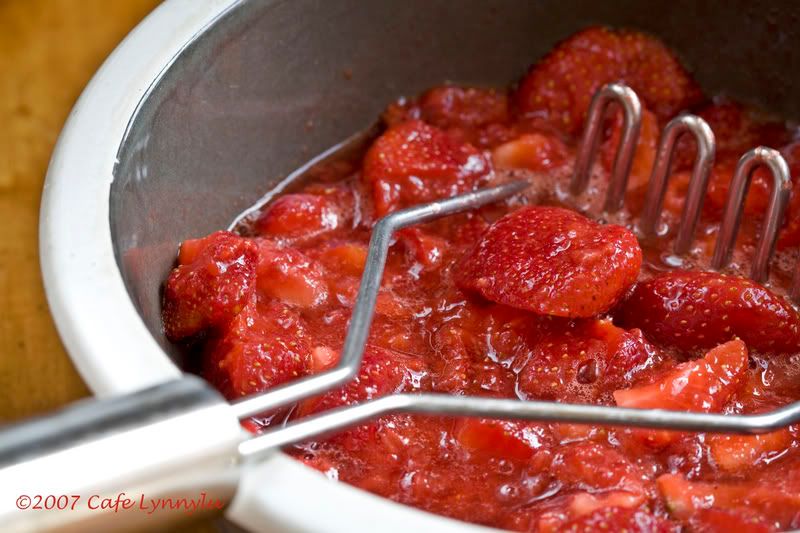
Wash and remove stems from strawberries, place in a bowl and crush with a potato masher.


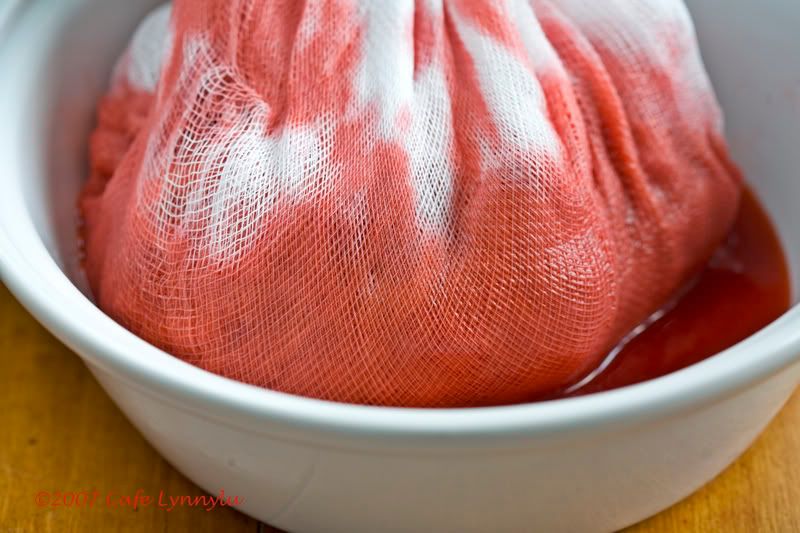
Line a medium bowl with a double layer of cheesecloth, pour in the crushed berries and their juice, then gather up the corners and squeeze until the juice is extracted, taking care not to squeeze too hard as to push the strawberries through the cloth. Weigh the juice and add an equal amount of sugar and the lemon balm and combine in a non-aluminum saucepan. Bring to a boil and boil for 5 minutes. Remove from heat and skim any froth that is on top of the syrup. Let cool. Discard lemon balm. Store in a bottle in the refrigerator.Makes about 1-1 1/2 pints.

Recipe from The Herbal Pantry by Emelie Tolley and Chris Mead


Strawberries and lemon balm aren't the only berry/herb combination-try blackberry/lemon verbena or raspberry/lemon thyme.


Sparkling water added to a tablespoon or two of the syrup makes a tasty spritzer for summer. Prosecco, an Italian sparkling wine, or Champagne can be used also.

Friday, June 1, 2007

Herbal Flavors-Part 2: Spicy Lime Mint Vinegar and Chicken Avocado Salad with Orange Lime Vinaigrette


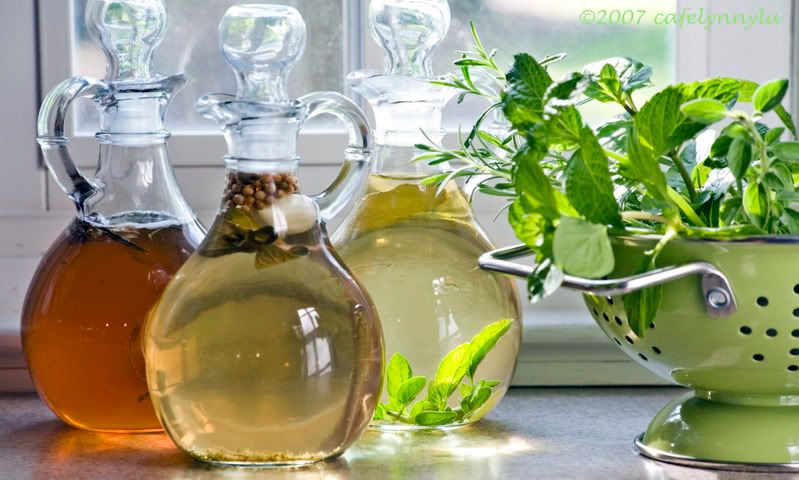
You can have many bottles of herb vinegars in beautiful shades of green, pink, red and blue for just a fraction of the cost of the specialty vinegars bought in upscale grocery stores. Imagine imparting rich and surprising flavors to grilled meats, salads and sauces. All sizes and shapes of bottles can hold these vinegars and you can even add your own label and seal for a professional look. Fresh herbs are crucial for making these flavored vinegars as dried herbs tend to make the vinegar cloudy.

Generally, you use 1 cup fresh herbs to 1 quart of cider vinegar, white wine vinegar or red wine vinegar. Use a good quality of vinegar with an acidity above 8%. After cutting your herbs in the early morning, wash and spin dry in a lettuce spinner to assure that the herbs are completely dry while taking care not to bruise the tender leaves and stems.

Use perfectly clean and dry bottles with stoppers. Heating the vinegar is not recommended as it wilts the herbs and makes unattractive infusions. The process will be slower, but have more satisfying results. Place the desired herbs loosely in the bottle, adding other flavors to complement your vinegar and fill the bottle with the vinegar. Some herbs are stronger than others so consider what flavors you want to dominate and add accordingly. Add a stopper and label; let sit in a cool, dark place for 3-4 weeks, checking occasionally to make sure the herbs are completely covered with the vinegar.

If you are adding fruit such as blackberries, raspberries or blueberries, use the *heat infusion method, adding 1/3 cup granulated sugar for each 1 cup fresh berries. Remove berries from infusion after a few weeks, strain vinegar and place in a clean and dry bottle.

*Heat Infusion Method
Place herbs and or berries in a large jar or bottle. In a saucepan, heat the vinegar to boiling point, remove from heat, and pour over herbs. Let steep until cool. Strain, remove wilted herbs and bottle with fresh sprigs of herbs and or berries.


Spicy Lime Mint Vinegar

4 sprigs mint
1 garlic clove
Zest of 1 lime
1 tablespoon coriander seeds
1 quart white vinegar

Place mint, garlic clove, zest and coriander seeds in clean and dry bottle. Add vinegar. Steep for 2 weeks turning frequently. If you desire to use the vinegar immediately, there's no need to strain or filter. Otherwise, after the two week steeping period, strain out herbs, pour vinegar through a coffee filter and into a clean bottle. Add additional sprigs of herbs.

The spicy lime vinegar would be great in a chicken or fruit salad. Try orange or lemon zest instead of lime zest for a different zing to the vinegar.


Orange Lime Vinaigrette

2/3 cup Spicy Lime Mint Vinegar
3 Tablespoons olive oil
1/3 cup fresh orange juice
1 Tablespoon Creole mustard
1 Teaspoon minced garlic
1 Tablespoon mild honey
2 Tablespoons fresh, chopped cilantro leaves
Salt and freshly ground pepper to taste.

Makes about 1 cup.

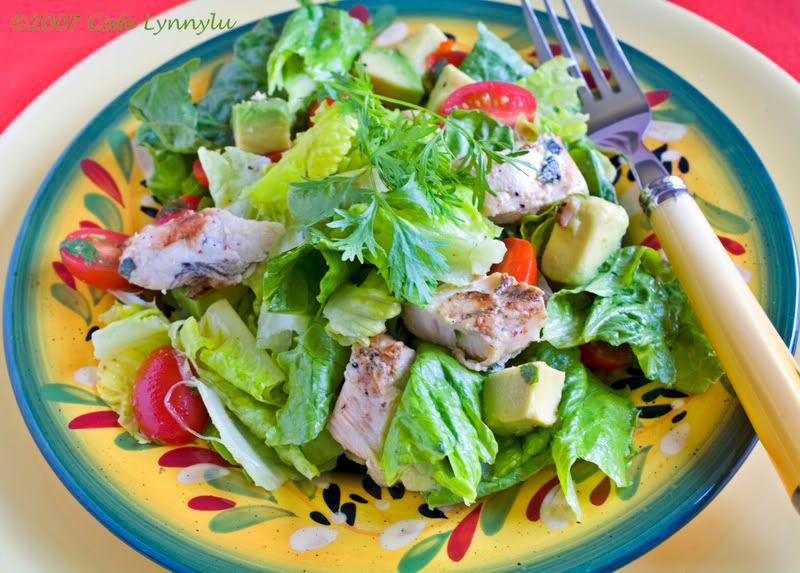
The Grilled Chicken and Avocado Salad is a very easy, colorful and tasty salad for the summer months. With the vinaigrette already made, all you need to do is grill the chicken breasts which are marinated for 20 minutes in a little olive oil,lime juice,salt and pepper; dice the avocados and cherry tomatoes and combine all the ingredients. There's no real recipe for the salad-you can add other ingredients such as chopped green onions, shredded cheese, even tortilla chips to make a Mexican style salad. However, remember to only lightly dress the salad with the vinaigrette. You can always add more, if needed.


Text and Spicy Lime Mint Vinegar Adapted From: The Herbal Pantry by Emmelie Tolley and Chris Mead. Orange Lime Vinaigrette are my original recipes.

Part Three of Herbal Flavors will feature herb infused oils for cooking. Stay Tuned!.

Wednesday, May 30, 2007

Grilled Asparagus with Mexican Caesar Dressing


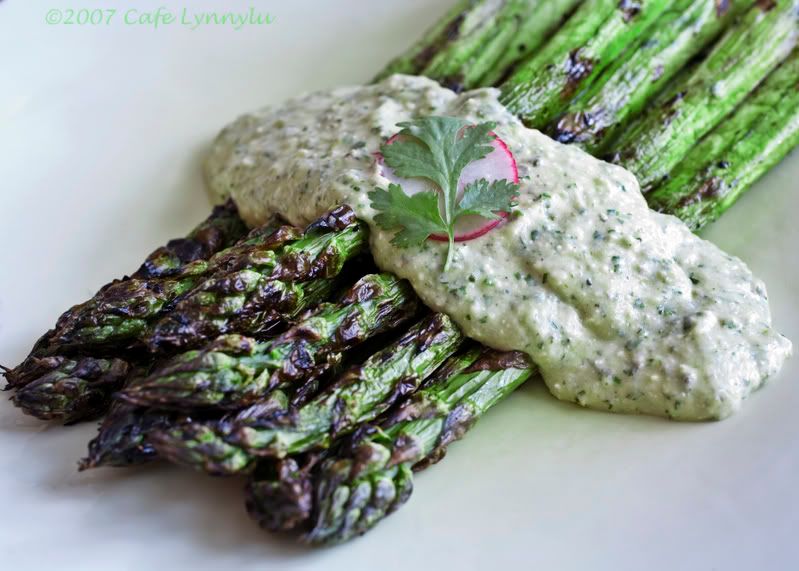
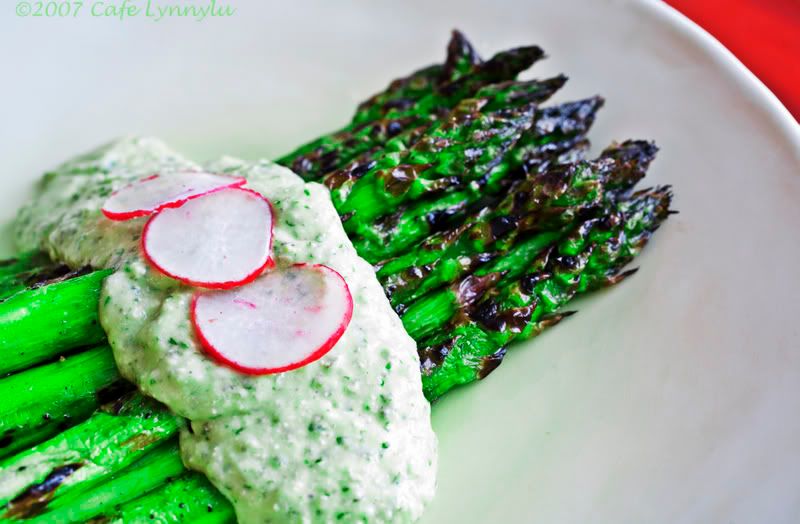
Fully intending on making this Mexican Caesar Dressing, also called Cilantro Pepita Dressing, with romaine lettuce for Baja Mexican Fish Tacos for HHDD #12 event hosted by Katie B of OtherPeoplesFood , somehow with traveling and family commitments, I missed the date. While shopping for produce, I had a brainstorm after seeing some really good looking asparagus at the market. Why not use the dressing on grilled asparagus? I had a couple of hours to spare so made the dressing a few hours earlier, then grilled the asparagus on the my ever handy Weber gas grill. Voila! I wasn't really sure how the combination would taste together, but was pleasantly surprised at the way the flavors harmonized. The rich sauce comprised of toasted pumpkin seed, green chilies, cotija cheese, lime juice, cilantro and small amounts of olive oil and mayonnaise also goes well grilled meats and seafood salads.


While searching for this dressing, I came across many versions of the Mexican Caesar Dressing, (Cilantro Pepita Dressing), but found that most had too much oil or too much mayonnaise in the ingredients. This dressing from, RecipeZaar, had the least amount of these fats.

Cilantro Pepita Dressing

For Cilantro Pepita Dressing
1 (4 ounce) can of chopped green chilies
2 tablespoons roasted pepitas (pumpkin or squash seeds)
1 garlic clove, peeled
1 dash ground black pepper
1/4 teaspoon salt
1/3 cup olive oil
1 tablespoon fresh lime juice
1 tablespoon grated Cotija cheese (you can also use Parmesan or feta cheese)
1/2 bunch fresh cilantro, stemmed
3 tablespoons mayonnaise
2 tablespoons water

Grilled Asparagus

1 lb asparagus, peeled and trimmed
3 tablespoons olive oil
Salt and freshly ground pepper to taste

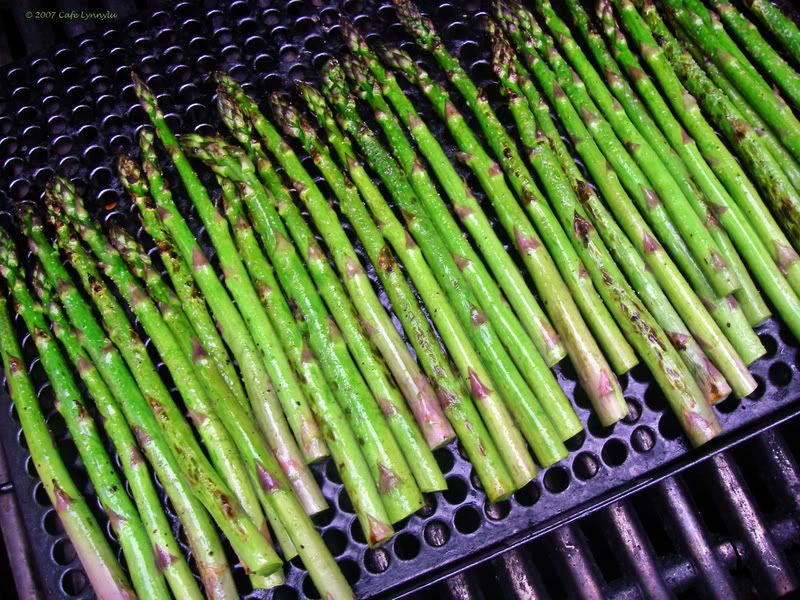
Place asparagus in shallow pan, add oil, salt and pepper. Roll asparagus around until fully coated with the oil mixture. Preheat gas grill on high for 10 minutes. Turn off one burner and place asparagus on the that side. Grill for 5 minutes, constantly rolling asparagus around to keep from charring.

When choosing asparagus, look for firm heads and firm, deep green stalks. If stalks are dried out on the ends, chances are the asparagus stalks are old. Place asparagus in water to cover bottom of stalks until you can use them, but within a day of buying.

To serve, place asparagus on a platter and drizzle dressing over. Serves 4.


Facts About Asparagus:

Asparagus is a member of the lily family and grows from a crown planted in a trench about six inches deep. When planted under ideal conditions, asparagus can grown ten inches in a 24 hour period. An asparagus plant is usually not harvested for three years from the first planting. Each plant will send up 6-7 spears during the harvest season. Asparagus plants when cared for will continue to produce for about 15 years.

Asparagus is high in folic acid and is a good source of fiber, potassium, vitamins B6, A and C. Asparagus has no fat, no cholesterol and low in sodium. The larger the spears, the better the quality.


Tuesday, May 22, 2007

Herbal Flavors-Part 1: Lemon Balm Honey


In this summer months series on flavoring food with herbs, I will begin with a lemon balm honey which is super easy to prepare and can be made with many different herbs such as lavender, thyme,rosemary, lemon verbena,cinnamon basil, scented geraniums and many others. Herbs are abundant during the summer months-perennials, such as lemon balm and chives, having slept through the winter and coming into abundance now that the warm weather is here and annuals,like the many basils and cilantro,ready for the heat of the season to thrive.

Honey has been used as a sweetener for thousands of years long before sugar was available. Honeys can have many different flavors dependent upon which flowers bees have visited while gathering nectar.Single flavor honeys are more difficult to produce, hence are more expensive. However, you can create a very good single flavor honey in your own kitchen with a good basic honey and a few chosen herbs.


Lemon balm (Melissa Officinalis) is a hardy perennial bush which grows to about 24 inches with serrated, lemon-flavored leaves and is one of the most popular tea herbs. It is excellent in salads, fruit dishes, chicken, fish, tea and summer beverages. Lemon balm marries well with other herbs such as chervil, chives, dill, mint, parsley, fennel and shallots, but use very carefully with garlic.

One of the easiest and most reliable kitchen herbs, lemon balm is a vigorous plant which tolerates both sunny and partial shade conditions. When planted in late April, the plant will have 6-inch stems by mid-June and by the end of the growing season, will have a height of about 18 inches. Lemon balm dies down in late fall, but reappears the following spring, just after the chives appear. I prefer to buy plants bypassing the seed process which can be difficult as the seeds are so minute.

Lemon Balm Honey

1 cup honey
1 sprig or several leaves of lemon balm

Heat the honey gently over a low heat. Place the herbs in a clean, sterilized jar and pour the warm honey over them. Seal and allow to mellow for at least a week before using. After a week, you can strain out the lemon balm and reseal the jar.


Lemon Balm honey is very tasty over grilled pineapple and vanilla ice cream as shown in the photo below.


In Part 2 of Herbal Flavors, I will feature an herb vinegar. Stay tuned.


Tuesday, May 8, 2007

Chicken Tagine with Pine Nut Couscous


Tagines can be purchased here

I love Moroccan food! Spices such as ginger, cumin, tumeric, paprika and garlic made into pastes, combined with dried fruits, preserved lemons, some sort of meat or vegetable and made into a stew to serve over couscous really get my taste buds going. These stews are often cooked and served in a Tagine, an earthenware pot with a conical lid. Cooking tagines tend to be terracotta and can be used on top of the stove or in the oven while serving tagines are more decorative with beautiful colors and patterns. The base of the tagine is the heavier part made to withstand heat and constant whereas the conical top seals the vessel which acts as a chimney to keep moisture and steam inside the tagine.

My sister, of Crossing Stitches, bought me a beautiful tagine for my birthday just recently, so I began surfing the web and my cookbooks for a recipe, but I was intimidated by all of the ingredients, especially preserved lemons which are hard to find in my area. The March, 2007 Sunset magazine had an article on chicken thighs and in the article was a recipe for Chicken Tagine with Pine Nut Couscous which could be made in 1 1/2 hours total prep and cooking time and had ingredients that were easy to find in the supermarket. Instead of using preserved lemons, lemon zest made a great substitute. The recipe sounded perfect!


Ingredients

2 tablespoons olive oil
6 bone-in chicken thighs (with skin)
1 medium onion, thinly sliced (about 2 cups)
4 large garlic cloves, minced
1 tablespoon minced fresh ginger
1 teaspoon ground cinnamon
1 teaspoon ground turmeric
1 teaspoon ground coriander
1/4 teaspoon freshly ground black pepper
2 cardamom pods, lightly crushed
2 small dried red chiles, such as arbol ( I substituted 1/2 crushed red chiles)
1 teaspoon salt
15 dried apricots, halved
15 pitted prunes, halved
4 cups reduced-sodium chicken broth
5 fresh flat-leaf parsley sprigs plus 1/4 cup minced fresh parsley leaves
1 1/2 cups couscous
1/4 cup lightly toasted pine nuts
1 teaspoon grated fresh lemon zest

1. Heat oil in a 6- to 8-qt. heavy-bottomed pot over medium-high heat. Add half the chicken, skin side down, and cook until golden brown, 5 to 7 minutes. Turn over and cook 3 minutes more. Transfer to a plate; repeat with remaining chicken and set aside.

2. Drain all but 2 tbsp. oil from pot and reduce heat to medium. Add onion and sauté until golden, 5 to 7 minutes. Add garlic and ginger and cook, stirring constantly, for 3 minutes. Add cinnamon, turmeric, coriander, black pepper, cardamom pods, chiles, and salt and stir to combine. Return chicken to pot and add apricots, prunes, 2 cups chicken broth, and parsley sprigs. Bring mixture to a boil, then reduce heat to medium-low. Cover and simmer 40 minutes. Take pot off heat and remove parsley sprigs and chiles. Remove skin from chicken.

3. In a covered medium saucepan, bring remaining 2 cups chicken broth to a boil. Turn off heat, stir in couscous, cover, and let sit 5 minutes. Uncover pan and fluff couscous with a fork. Stir in 2 tbsp. minced parsley, pine nuts, and lemon zest and toss to combine. Mound couscous on a platter. Top with chicken thighs and pour sauce over the chicken. Sprinkle with remaining 2 tbsp. parsley.

Makes 4-6 servings